Demystifying Near Field Communication in Proportional Valve Applications
Understanding Near Field Communication (NFC)
What is NFC and How Does it Work?
Near Field Communication (NFC) is a short-range wireless communication technology that allows devices to exchange data with minimal effort. Typically, NFC enables communication between devices within a range of about 4 centimeters, making it a secure and efficient method for data transfer. NFC operates on electromagnetic induction principles, allowing devices equipped with NFC chips to communicate when brought close to each other. This technology relies on an active and passive mode. In active mode, both devices generate their own fields, while in passive mode, one device generates a field that the other can read. This makes NFC ideal for applications requiring quick interactions, such as mobile payments, access control, and data sharing.
Applications of NFC in Industrial Settings
NFC finds various applications in industrial settings, particularly in automation and control systems. In these environments, NFC can facilitate seamless communication between devices, enhancing operational efficiency. For instance, NFC can enable easy configuration proportional control valve driver and monitoring of equipment like proportional valve drivers. By using NFC-enabled devices, technicians can quickly access settings, update firmware, and diagnose issues without the need for cumbersome wired connections. This technology reduces downtime, streamlines maintenance processes, and allows for real-time data collection. Industries such as manufacturing, logistics, and HVAC are leveraging NFC to improve productivity and reduce errors in settings where quick and accurate information transfer is critical.
Proportional Valve Drivers Explained
Key Components of Proportional Valve Drivers
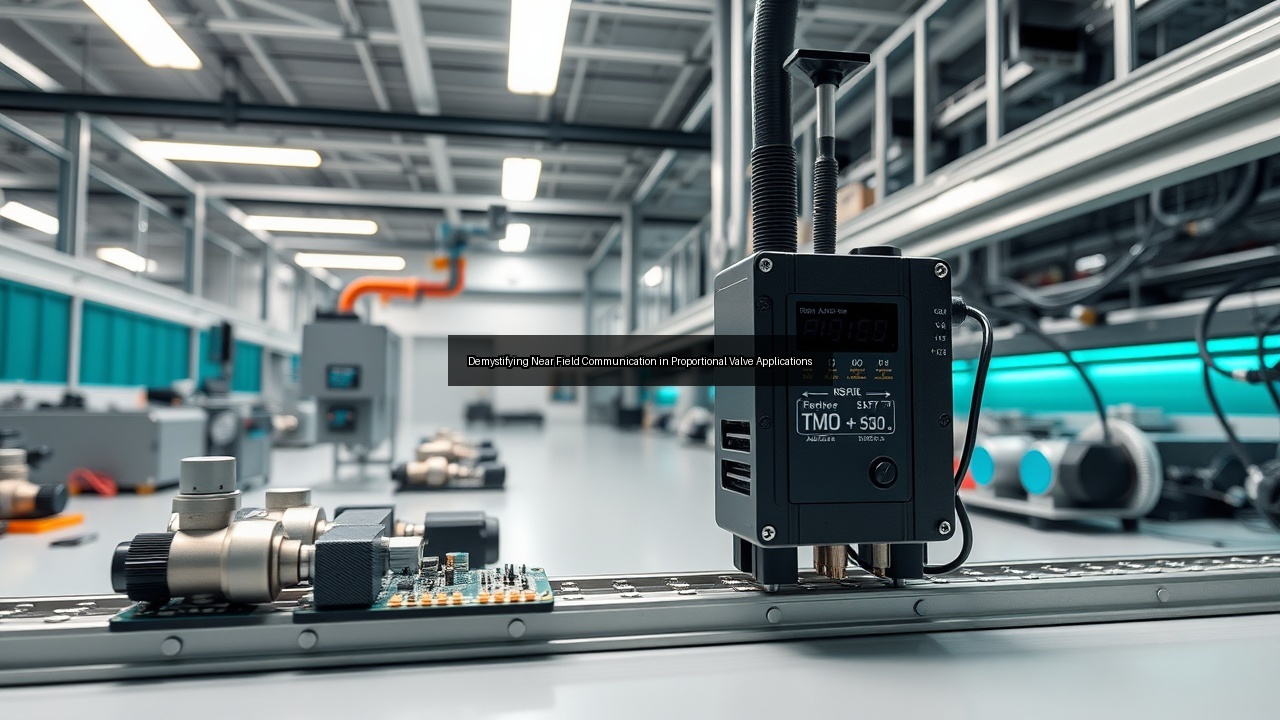
Proportional valve drivers play a crucial role in controlling the operation of hydraulic and pneumatic valves. These drivers convert electrical signals into precise movements of the valve, allowing for accurate flow control. Key components include the solenoid coil, which generates a magnetic field when supplied with voltage, and an H-bridge amplifier, which manages the direction and magnitude of current flowing to the solenoid. A potentiometer often measures the desired position of the valve, providing feedback to the driver for adjustments. Digital displays may also be integrated into the design, allowing operators to monitor valve performance in real time. In a typical setup, drivers manage the opening and closing of valves based on input signals, ensuring that hydraulic systems operate efficiently and reliably.
Role of NFC in Enhancing Proportional Control
NFC technology significantly enhances the functionality of proportional valve drivers by providing a straightforward interface for configuration and monitoring. When integrated into a proportional valve system, NFC allows technicians to adjust settings, calibrate valves, and upload new control algorithms wirelessly. This capability eliminates the need for manual adjustments and physical connections, reducing the risk of errors during maintenance. Additionally, NFC facilitates quick troubleshooting by enabling technicians to access diagnostic data directly from their mobile devices. As a result, NFC not only streamlines operations but also enhances the precision of proportional control, leading to improved system performance and reduced energy consumption.
Comparing Digital and Analog Proportional Valve Drivers
Proportional valve drivers come in two primary types: digital and analog. Digital drivers use advanced electronics and microcontrollers to process input signals and provide precise control over valve operation. They offer features like programmable parameters, real-time monitoring, and easier integration with other digital systems. Users can often connect digital drivers to networks like SAE J1939 for enhanced communication and interoperability. On the other hand, analog drivers utilize traditional electronic components to control valve movement. While they can be simpler and more cost-effective, they often lack the advanced features and flexibility found in digital systems. The choice between digital and analog drivers depends on the specific requirements of the application, including desired control precision, system complexity, and cost considerations.
Integration of NFC in Proportional Valve Systems
Connecting NFC with DIN Rail Mounts and PCB Designs
Integrating NFC technology into proportional valve systems requires careful consideration of design elements such as DIN rail mounts and printed circuit boards (PCBs). DIN rail mounts provide a standardized method for securing electrical components in industrial environments, ensuring easy installation and maintenance. By incorporating NFC modules into these mounts, manufacturers can enhance the interconnectivity of devices within the system. Additionally, NFC-enabled PCBs allow for straightforward integration of communication capabilities directly into the valve driver. This design streamlines the overall system architecture, making it easier to deploy, maintain, and upgrade as needed. Engineers can design circuits that accommodate NFC alongside other essential components, such as H-bridge amplifiers and potentiometers, ensuring a proportional valve electronics cohesive and functional system.
Using USB Interfaces for Enhanced Connectivity
USB interfaces serve as another vital component in the integration of NFC in proportional valve systems. Offering a versatile and widely recognized connection method, USB interfaces allow for straightforward communication between devices. When used alongside NFC technology, USB can facilitate the transfer of larger data sets, such as firmware updates or configuration files, that may not be efficiently transmitted via NFC alone. This dual connectivity approach ensures that technicians have access to comprehensive system data and can make informed adjustments. In scenarios where real-time monitoring is essential, the combination of USB and NFC enhances the overall usability of proportional valve drivers, making them more adaptable to various industrial applications.
Real-World Applications: A Case Study of Pulsar and Axiomatic
Organizations like Pulsar and Axiomatic exemplify the successful integration of NFC technology in proportional valve applications. Pulsar leverages NFC in their valve driver designs to enhance user experience and operational efficiency. Their systems allow technicians to configure settings through NFC-enabled interfaces seamlessly. Axiomatic, on the other hand, utilizes NFC to provide real-time data access and diagnostics, enabling quick troubleshooting and maintenance. These case studies highlight how NFC technology can transform traditional valve systems, making them more responsive and user-friendly. By adopting NFC, companies not only improve system performance but also position themselves competitively in the evolving industrial landscape.
Frequently Asked Questions about Proportional Valve Drivers
How Does NFC Affect Valve Performance?
NFC technology positively impacts valve performance by enhancing communication and control capabilities. By enabling quick access to configuration settings and diagnostic data, NFC allows for timely adjustments to be made, which can significantly improve system responsiveness. When technicians can wirelessly update settings or troubleshoot issues without the need for physical connections, they reduce downtime and increase operational efficiency. Furthermore, NFC facilitates a more precise calibration of proportional valve drivers, leading to improved flow control and energy efficiency in hydraulic systems.
What are the Benefits of Using NFC in Hydraulic Systems?
The integration of NFC in hydraulic systems offers numerous advantages. First, it enhances the ease of configuration and monitoring, allowing technicians to adjust settings and retrieve data on-the-fly. This wireless capability minimizes the need for physical access to the equipment, which can be especially beneficial in complex machinery or hard-to-reach areas. Additionally, NFC supports faster troubleshooting processes, as technicians can access real-time data directly from their smartphones or tablets. This level of accessibility leads to quicker resolution of issues, ultimately improving system reliability and performance over time.
Understanding the Role of Potentiometers and H-Bridge Amplifiers
Potentiometers and H-bridge amplifiers are fundamental proportional valve electronics components in proportional valve drivers. Potentiometers provide vital feedback on valve position, enabling precise control of the valve's opening and closing actions. This feedback loop is essential for achieving accurate proportional control in hydraulic systems. H-bridge amplifiers manage the electrical currents that drive the solenoid coil, allowing for precise control of the valve's movement direction and speed. Together, these components work in harmony to ensure that proportional valve drivers operate effectively, delivering the necessary performance for various industrial applications.